The 3,200-kilometer Grand Canal dates back nearly 2,500 years. It passes through eight provinces and municipalities. In 2014, 27 sections of the canal, totaling 1,011 km, and 58 relevant heritage sites gained UNESCO World Heritage status.
Fact 1: Supervising shipments
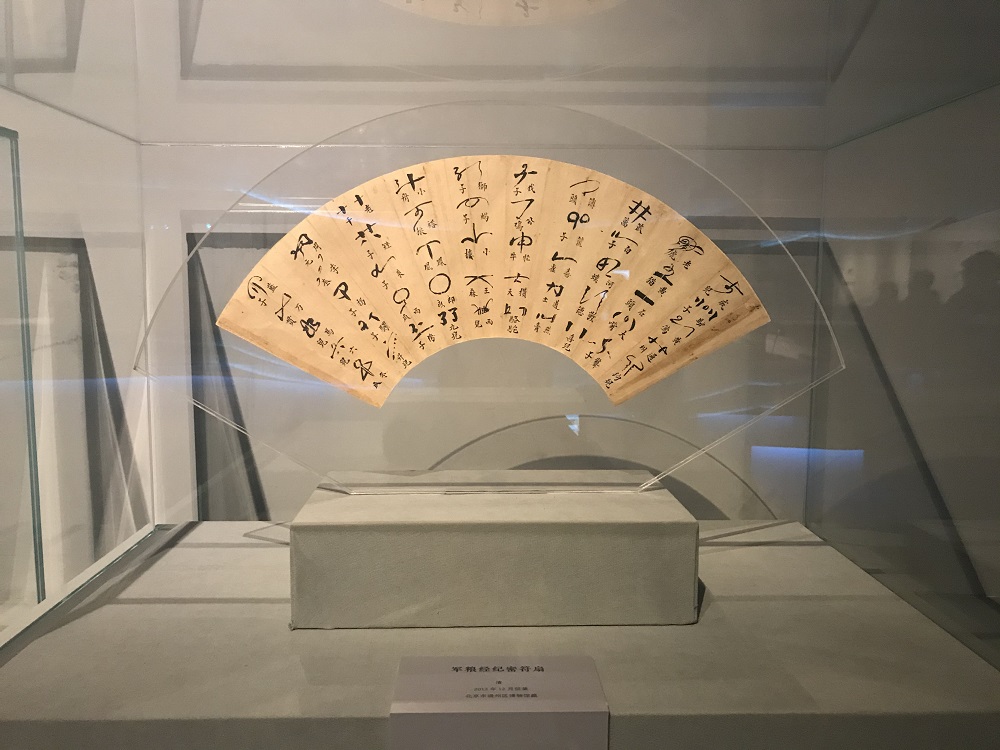
An "encryption system" was developed during the Qing Dynasty (1644-1911) to prevent corruption and ensure the quality of grain sent to Beijing from the south. Each "signature" on a folding fan represented an agency in charge of inspecting the cargo arriving in the capital. Signatures were also placed on the bags of grain, like seals. Supervisory officials could look at the fans to know which agency should be punished if any problems were discovered.
Fact 2: Managing movement
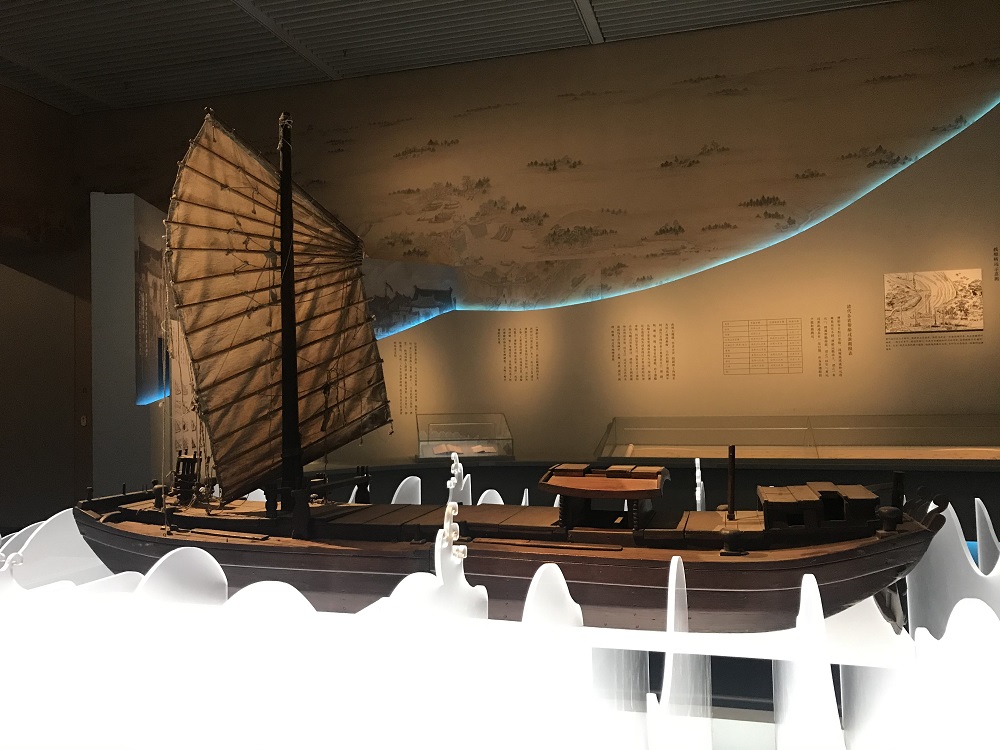
There were complicated systems and rigid regulations of shipments' time and distance. A cargo fleet usually contained 30 ships, and each fleet had its own flag. During the Ming Dynasty (1368-1644), the central government owned over 16,000 ships for transportation along the canal.
Fact 3: Cultural connotations
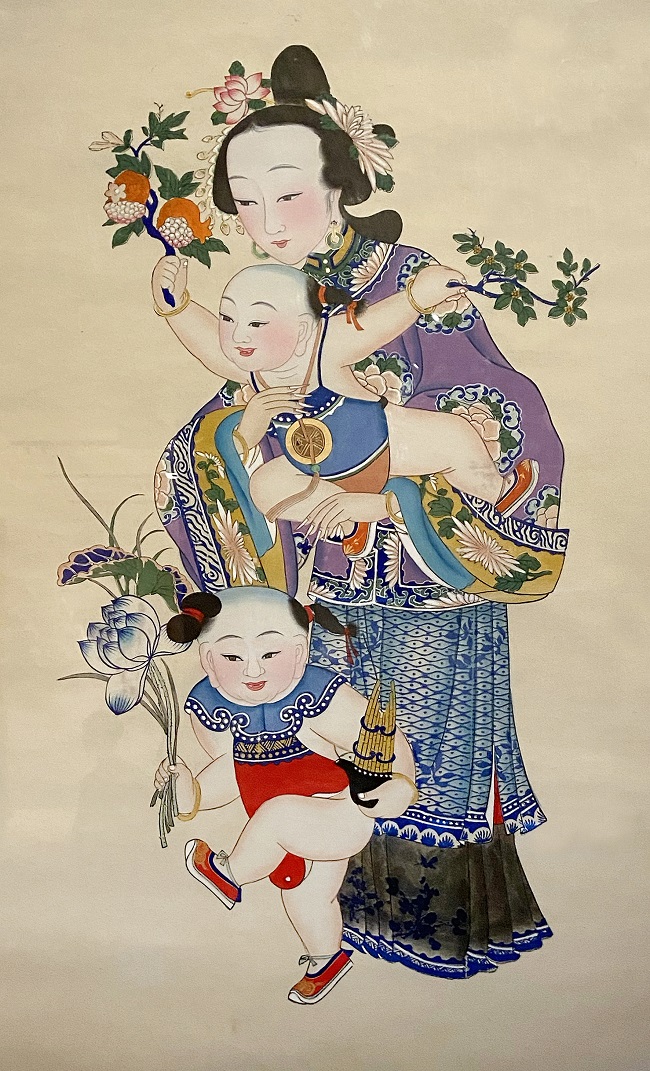
More than 400 items found along the Grand Canal have been inscribed on the list of national-level intangible cultural heritage, including folk arts, handicrafts and local beliefs. Tianjin's Yangliuqing Lunar New Year woodcut paintings are a representative example. Ming Dynasty (1368-1644) artisans created this renowned art form using fine paper and dyes shipped from the south.
Fact 4: Securing sustenance
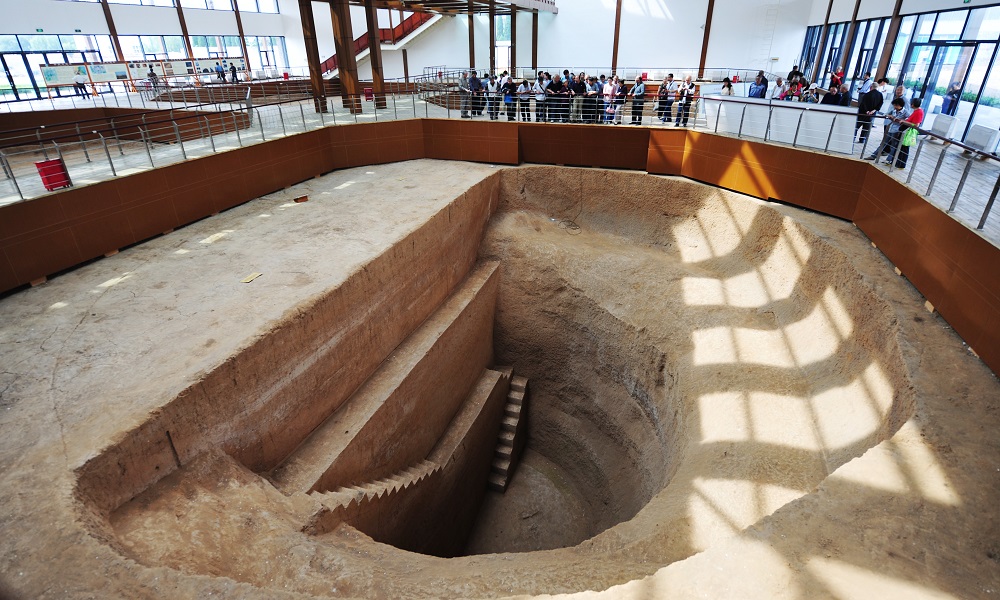
The Huiluo Barns' ruins near Luoyang, Henan province, which is listed among the World Heritage sites, offers a glimpse of how grain from southeastern China that was transported along the Grand Canal was stored and managed by the central government during the Sui Dynasty (581-618). The silo complex was like a small city -- about 1 kilometer from east to west and 355 meters from south to north -- whose size equaled roughly 50 soccer fields.
Fact 5: Funding a nation
The Grand Canal was closely interlinked with ancient China's tax system, as grain paid as tax was transported to the capital via the waterway. A portion of officials' salaries was paid in grain.
Fact 6: Building infrastructure to store water
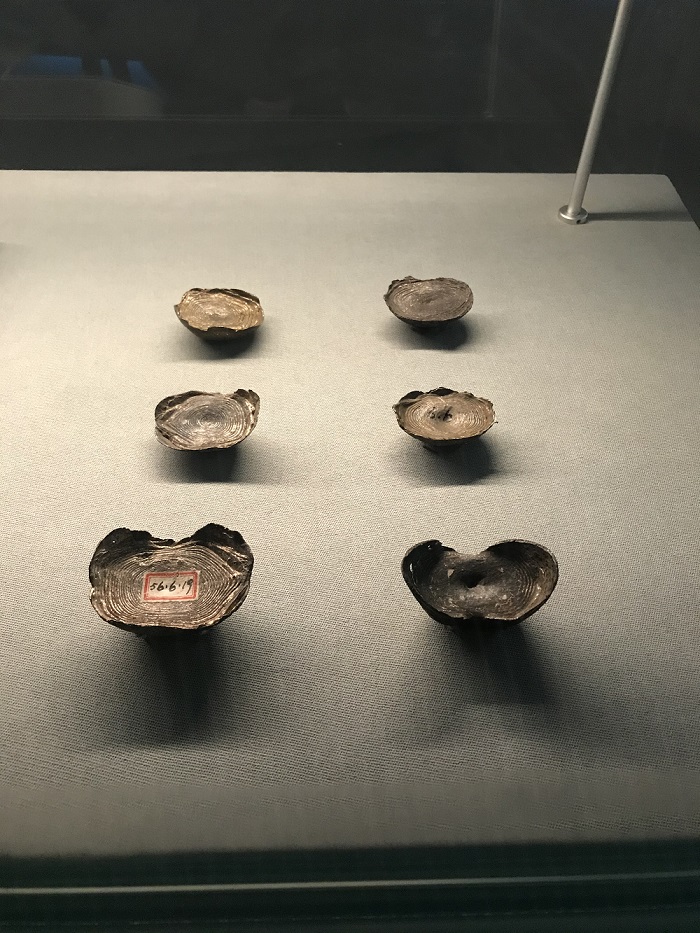
To ensure continuous water supplies, many ancient infrastructure projects were built to direct water from nearby rivers into the canal. For example, in Beijing, where no natural river was available, spring water from the city's western outskirt was redirected to downtown, and 24 sluices were built during the Yuan Dynasty (1271-1368) to reserve water for the canal. These dams still function today. During the Ming Dynasty, Song Li and Bai Ying built 38 sluices around Nanwang, a town in Shandong province, which is the highest point along the canal, to enable ships to "climb over" the ridge.
